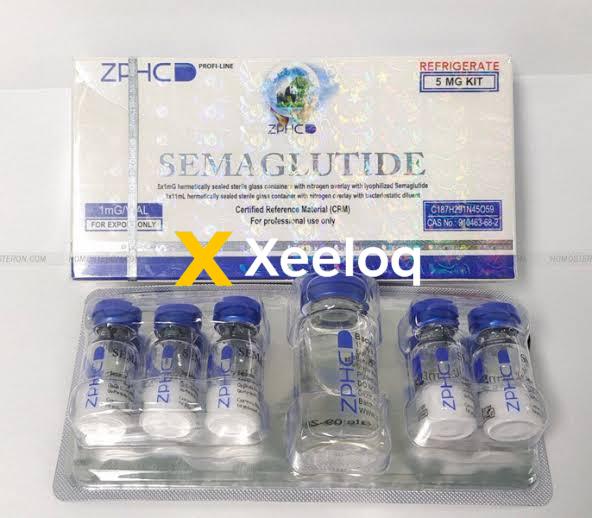
A Simple Guide: How Much Bacteriostatic Water to Mix With 5mg of Semaglutide
10 min read
47 reads
Many Nigerians are becoming more aware of peptide treatments for health and weight management. If you recently bought a vial of this popular peptide, you probably have one big question on your mind. You are wondering how much bacteriostatic water to mix with 5mg of semaglutide.
It sounds like a heavy medical topic, but the math is actually very simple. You do not need to be a doctor or a pharmacist to understand how it works. You just need to know the basics of reading a syringe and measuring liquids.
When you get the powder in a small glass vial, it is useless on its own. You must turn it into a liquid before you can use it. This process is called reconstitution.
In this guide, we will break down the exact amount of water you need. We will also look at the step-by-step mixing process, the costs involved, and how to store your vial safely.
What is Semaglutide and Bacteriostatic Water?
Before we talk about the measurements, let us understand the two things we are working with. Semaglutide usually comes as a dry, freeze-dried powder when bought in a vial. It is highly concentrated in this form so it can last longer before use.
Bacteriostatic water is a special type of sterile water. It contains 0.9% benzyl alcohol. This tiny bit of alcohol is very important. It stops bacteria from growing inside your vial after you mix the powder.
If you just use normal water, bacteria will enter the vial. This can cause very serious infections. The benzyl alcohol keeps the mixture safe to use for weeks. This is why you must never use normal tap water or bottled pure water for your injections.
How Much Bacteriostatic Water to Mix With 5mg of Semaglutide?
This is the main reason you are reading this. The short answer is: you can use 1ml, 2ml, or 2.5ml of bacteriostatic water. The amount you choose depends on how easy you want your math to be when pulling your dose.
Adding more water does not change the total strength of the 5mg powder. It only changes how much liquid you have to draw into your syringe for a single dose.
Let us look at the most common method. Most people prefer to use 2ml of bacteriostatic water for a 5mg vial.
When you mix 5mg of powder with 2ml of water, your concentration becomes 2.5mg per 1ml. This makes measuring your weekly dose very easy on a standard insulin syringe.
If you decide to use 1ml of water instead, your mixture will be very concentrated. A tiny drop will contain a large dose. This makes it harder for beginners to measure small starting doses accurately.
How It Works: The Dosing Math Explained
Let us break down the math using the 2ml method. A standard insulin syringe holds 1ml of liquid. This 1ml is divided into 100 tiny lines called units.
If your doctor advises a starting dose of 0.25mg, you need to know how many units that equals. Since we mixed our 5mg vial with 2ml of water, 10 units on the syringe equals exactly 0.25mg.
If your dose moves up to 0.5mg, you will simply draw the liquid up to the 20-unit mark.
If you used 1ml of water for the whole vial instead, that same 0.25mg dose would be just 5 units on the syringe. Five units is a very tiny amount of liquid. It is very easy to make a mistake and draw too much. This is why the 2ml method is highly recommended.
How It Works: The Mixing Process (Step-by-Step)
Mixing the powder and water is a delicate process. You have to be clean and gentle. Here is exactly how to do it safely at home.
Prepare your workspace. Clean your table properly. Wash your hands thoroughly with soap and water to keep dirt away from your materials.
Take your vials out. You will have your powder vial and your water vial. Pop off the plastic caps on both vials.
Wipe the rubber stoppers. Take a fresh alcohol swab and wipe the top of both vials. Let the alcohol dry for a few seconds. Do not blow on it with your mouth.
Pull air into your large mixing syringe. If you are adding 2ml of water, pull the plunger back to the 2ml mark to fill it with air.
Push the air into the water vial. Push the needle into the rubber stopper of the water vial and push the air inside. This stops a vacuum from forming.
Draw the water. Turn the water vial upside down and slowly pull exactly 2ml of water into your syringe.
Add the water to the powder. Push the needle into the powder vial. Do not shoot the water directly at the powder. Aim the needle at the glass wall of the vial.
Push the plunger slowly. Let the water slide down the side of the glass. The powder will start melting into the water immediately.
Swirl the vial gently. Pull your needle out. Roll the vial slowly between your fingers. Do not shake it. Shaking it can destroy the delicate peptide bonds. Keep rolling it until the liquid is completely clear.
Benefits of Getting the Mix Right / Why It Matters
You might wonder why taking time to measure the water matters so much. Getting the exact ratio right protects your health.
It ensures accurate dosing. If you add random amounts of water, you will never know exactly how much medicine you are taking. You might take an overdose, which causes severe nausea. You might take too little, and see no results.
It reduces pain. Bacteriostatic water contains a tiny bit of alcohol. If your mixture is too concentrated, that alcohol might sting your skin when you inject. Adding the right amount of water dilutes it enough to make the injection painless.
It prevents contamination. Following the proper steps ensures no bacteria enters your mixture. This keeps you safe from skin infections and abscesses.
Price and Cost of Reconstitution Supplies in Nigeria
Taking care of your health comes with expenses. Sourcing these materials in Nigeria requires a bit of planning. You can find most of these items in major pharmacies in Lagos, Abuja, or Port Harcourt.
The cost of bacteriostatic water varies. A standard 30ml bottle usually costs between ₦5,000 and ₦15,000. It depends on the pharmacy and the brand.
You also need good insulin syringes. A box of 100 insulin syringes costs around ₦4,000 to ₦7,000. Make sure you buy the 1ml or 0.5ml size with fine needles.
Alcohol swabs are very cheap. A box of 100 pieces will cost you around ₦1,500. It is a very small price to pay to keep bacteria away.
Always buy your supplies from registered pharmacies. Avoid buying cheap medical supplies from unverified online vendors on social media. Fake bacteriostatic water is just plain water, and it will ruin your expensive powder.
Types of Syringes You Need
You actually need two types of syringes for this journey. You need a mixing syringe and an injection syringe.
The mixing syringe should be large. A 3ml syringe is perfect. The needle is thicker and longer, making it easy to pull the 2ml of water from the big bottle and transfer it to the tiny vial.
The injection syringe is the one you use on your body. You must use an insulin syringe. These have very tiny, painless needles.
Insulin syringes usually come in 1ml (100 units) or 0.5ml (50 units) sizes. If your dose is small, the 0.5ml syringe is much easier to read. The lines are spaced further apart, helping you measure out exactly 10 or 20 units without straining your eyes.
Common Mistakes People Make When Mixing
Many beginners make avoidable errors during reconstitution. These mistakes can ruin the medication or cause infections.
Shaking the vial heavily. Some people shake the vial like they are mixing a bottle of local cough syrup. Peptides are very fragile. Violent shaking breaks the molecules apart. Always swirl or roll the vial gently between your fingers.
Using the wrong water. Never use normal bottled water, pure water, or tap water. Even standard sterile water from the hospital is not the best, because it lacks the alcohol needed to prevent bacteria growth over time.
Touching the needle. If your finger touches the metal needle at any point, throw that syringe away. Do not manage it. Touching the needle introduces germs straight into your medication.
Leaving it outside the fridge. Heat is the enemy of mixed peptides. We all know the power supply in Nigeria can fluctuate. Leaving your mixed vial on a hot table will make the medication lose its power quickly.
Proper Storage Tips for Nigeria
Storage is a big topic because of our climate and power grid. Once you add water to that powder, the clock starts ticking.
Unmixed powder can stay in the fridge for months. But once you mix it with bacteriostatic water, you must always keep it cold. It typically lasts for about 28 to 56 days when refrigerated properly.
Keep the vial deep inside your fridge. Do not store it inside the fridge door. The door gets warm every time someone opens the fridge to take cold water.
If there is a power outage, do not panic. Keep the fridge door closed to trap the cold air. If the light stays off for days, put the vial inside a cooler with some ice blocks or frozen gel packs. Just make sure the glass vial does not touch the ice directly so it does not freeze solid.
Frequently Asked Questions (FAQs)
Can I mix 5mg of semaglutide with 3ml of water?
Yes, you can. It just makes the liquid more diluted. You will have to inject a larger amount of liquid into your body to get the same dose. Most people prefer 2ml so they inject less liquid.
Do I have to use the whole bottle of bacteriostatic water?
No. A bottle of bacteriostatic water usually holds 30ml. You only need 2ml for a 5mg vial. You keep the rest of the water for your next vials.
How long does bacteriostatic water last after opening?
According to medical guidelines, an open bottle of bacteriostatic water should be thrown away after 28 days. However, many people keep it longer if they store it properly in the fridge and wipe the top with alcohol every time.
Can I use sterile saline instead of bacteriostatic water?
It is not recommended for multi-use vials. Sterile saline does not contain the benzyl alcohol needed to stop bacteria from growing over several weeks.
What should I do if the liquid looks cloudy after mixing?
If you rolled the vial gently and gave it a few minutes, the liquid should be completely clear like glass. If it stays cloudy or has particles floating in it, do not use it. It means the mixture is compromised.
Is it normal to feel a slight sting when injecting?
A very mild sting is normal because of the tiny amount of alcohol in the water. If you used too little water, the mixture is highly concentrated and might sting more. Using 2ml of water usually prevents this issue.